%2Ffit-in%2F250x250%2Fguide_websites%2F28836%2Fimages%2F1742013334780480793261_620340977267226_4020067698019843799_n.jpg&w=1920&q=100)
/users/5d2d2a07-2f70-4dba-b1a7-bf1603a5df4b/ratecard/2-mm1iidjt.jpg)
%2F300x300%2Fusers%2F5d2d2a07-2f70-4dba-b1a7-bf1603a5df4b%2Fratecard%2F2-mm1iidjt.jpg&w=256&q=75)
%2F300x300%2Fusers%2F5d2d2a07-2f70-4dba-b1a7-bf1603a5df4b%2Fimages%2Ffishing-fun-orange-beach-2422.jpeg&w=256&q=75)
%2F300x300%2Fusers%2F5d2d2a07-2f70-4dba-b1a7-bf1603a5df4b%2Fimages%2Fangler-fishing-alabama-2478.jpeg&w=256&q=75)
%2F300x300%2Fusers%2F5d2d2a07-2f70-4dba-b1a7-bf1603a5df4b%2Fimages%2Flone-angler-fishing-alabama-2380.jpeg&w=256&q=75)
%2F300x300%2Fusers%2F5d2d2a07-2f70-4dba-b1a7-bf1603a5df4b%2Fimages%2Fgreat-fishing-orange-beach-2595.jpeg&w=256&q=75)
%2F300x300%2Fusers%2F5d2d2a07-2f70-4dba-b1a7-bf1603a5df4b%2Fimages%2Fblack-drum-orange-beach-2465.jpeg&w=256&q=75)
%2F300x300%2Fusers%2F5d2d2a07-2f70-4dba-b1a7-bf1603a5df4b%2Fimages%2Fred-grouper-orange-beach-2420.jpeg&w=256&q=75)
%2F300x300%2Fusers%2F5d2d2a07-2f70-4dba-b1a7-bf1603a5df4b%2Fimages%2Ffishing-alabama-2407.jpeg&w=256&q=75)
%2F300x300%2Fusers%2F5d2d2a07-2f70-4dba-b1a7-bf1603a5df4b%2Fimages%2Fredfish-caught-in-alabama-2478.jpg&w=256&q=75)
%2F300x300%2Fusers%2F5d2d2a07-2f70-4dba-b1a7-bf1603a5df4b%2Fimages%2Ffishing-adventure-alabama-2455.jpeg&w=256&q=75)
Montgomery Family Inshore Charter Reel'in Good
 Montgomery
What you will be catching:
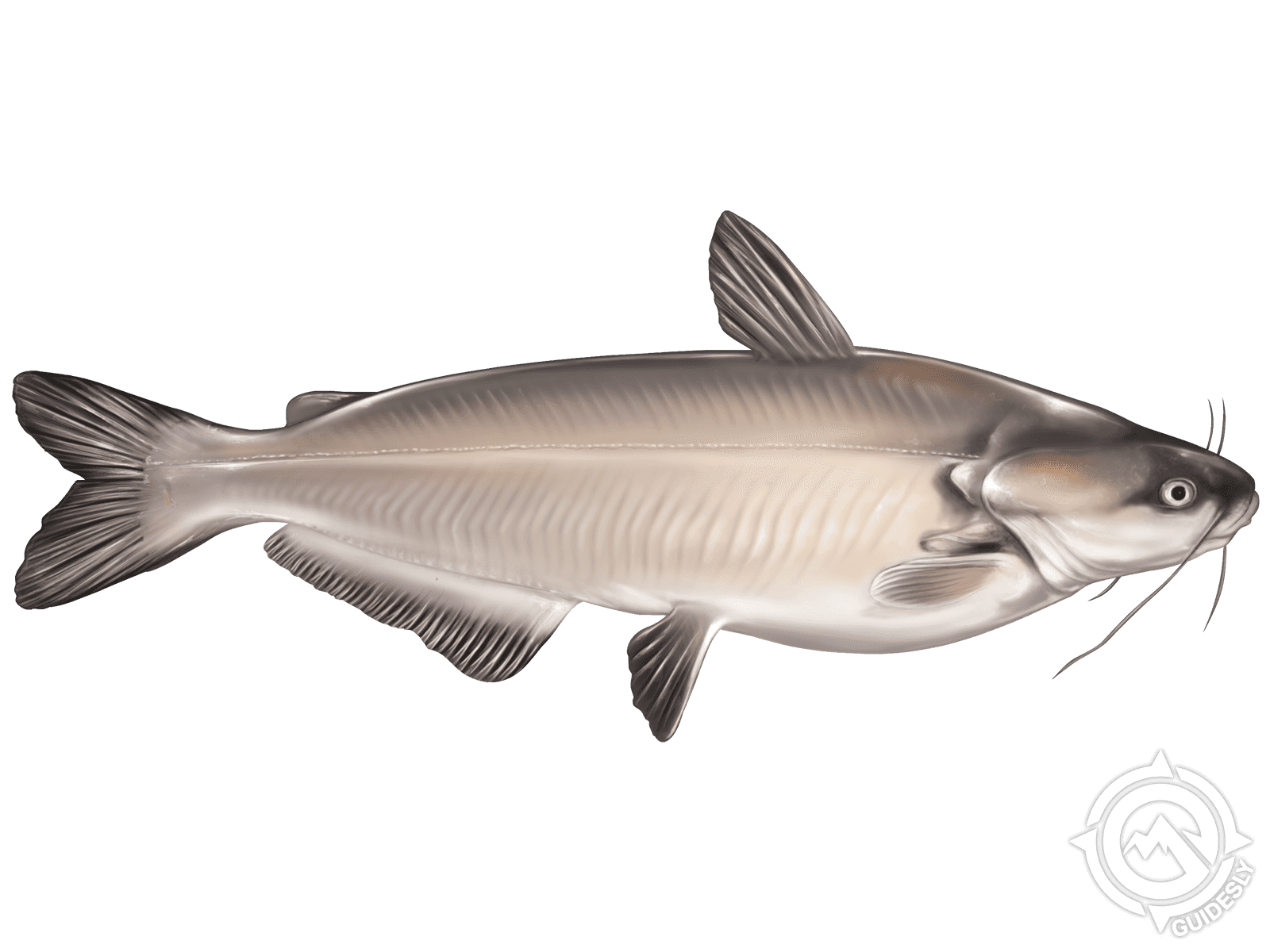
 Blue Catfish
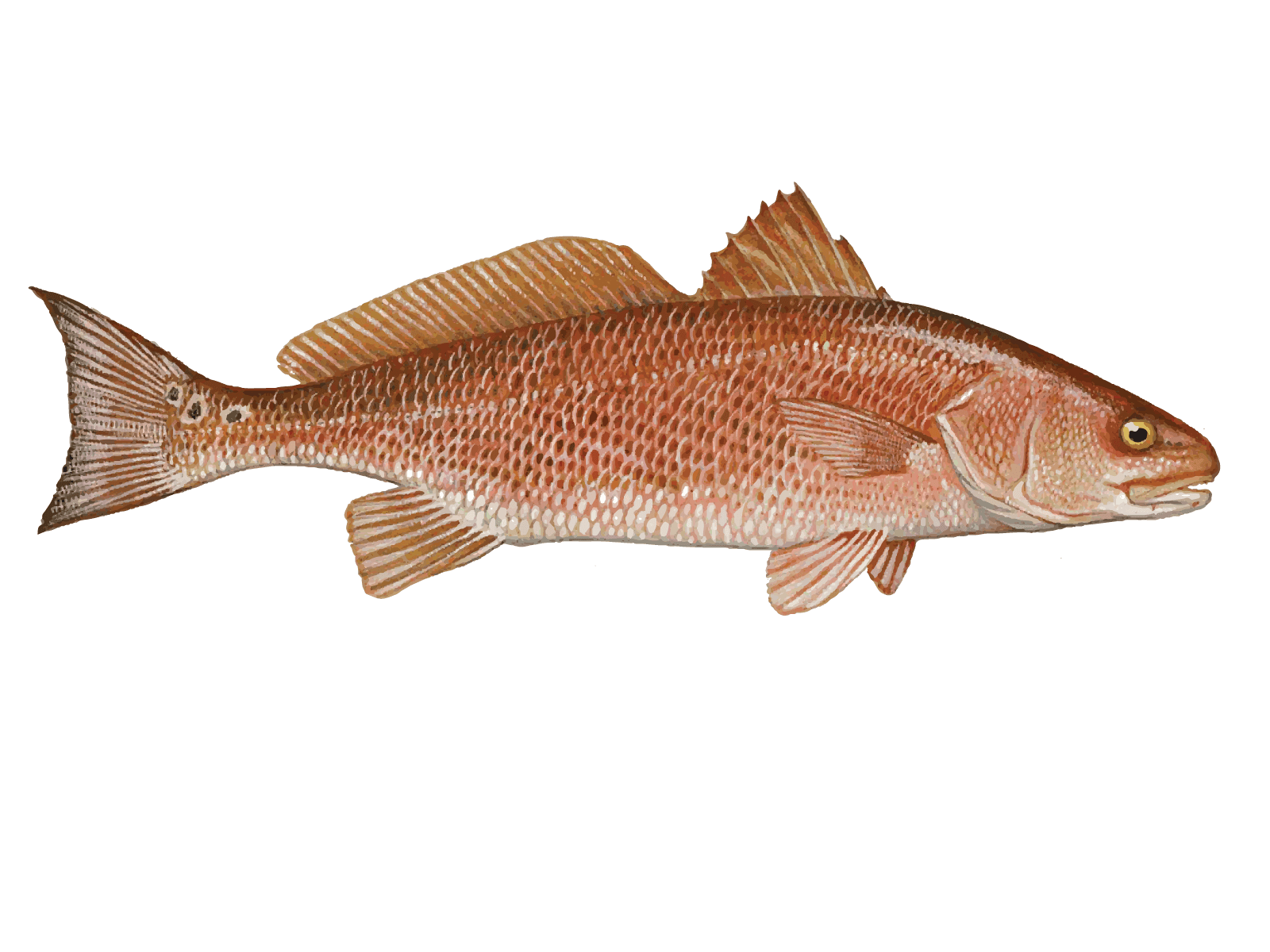
 Redfish
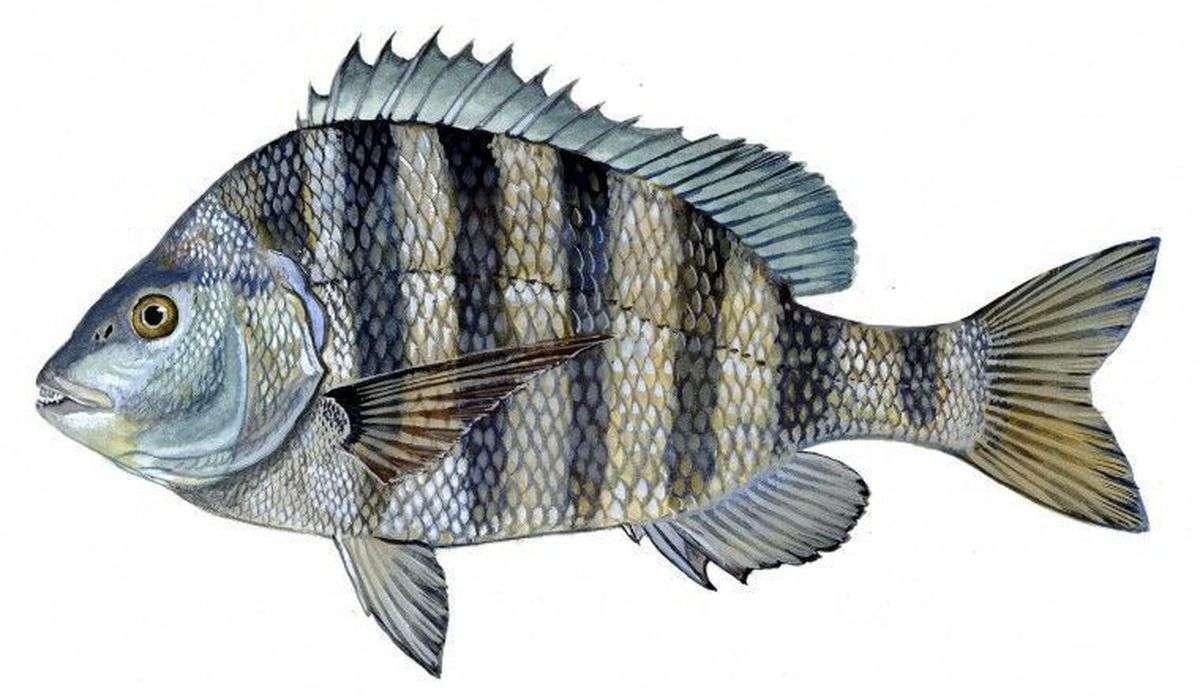
 Sheepshead
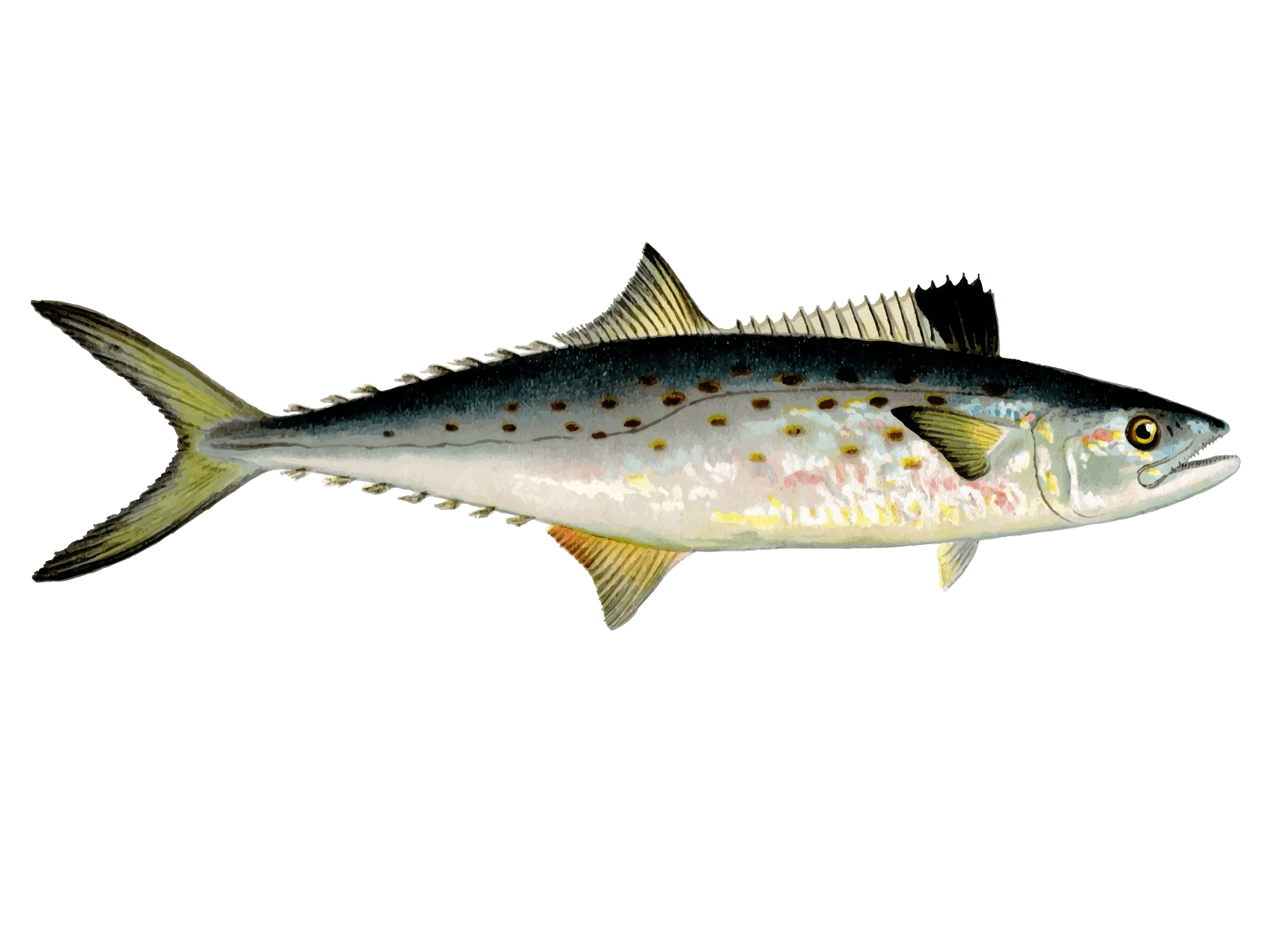
 Spanish Mackerel
- This 4-hour morning charter with Reel'in Good Time Charters is perfect for families who want a relaxed day on the water. Starting at 9 AM, you'll target redfish, speckled trout, flounder, and Spanish mackerel in calm inshore waters where kids can easily handle the action. Your captain provides all the gear and takes time to teach proper techniques, so everyone from beginners to experienced anglers stays engaged. The pace stays comfortable with plenty of opportunities to learn and enjoy quality time together. Depending on conditions, you might also hook into sheepshead, black drum, or jack crevalle. With space for up to four guests, it's an ideal way to introduce the family to Gulf Coast fishing without the rougher offshore conditions.
Trip Pricing and Availabilities:
Montgomery Family Inshore Fishing Charter
Looking for the perfect way to get the whole family out on the water? This 4-hour morning charter with Reel'in Good Time Charters is designed specifically for families who want to experience the best of inshore fishing without the pressure or complexity of offshore trips. Starting at 9 AM, you'll have the prime morning bite window when fish are most active and the Gulf Coast waters are typically calmer. With room for up to two guests, this intimate charter ensures everyone gets plenty of personalized attention from your experienced guide. Whether you're introducing kids to fishing for the first time or looking to reconnect as a family away from screens and distractions, this trip delivers the perfect balance of action, education, and quality time together.
What to Expect on the Water
Your guide sets the tone from the moment you step aboard – this isn't about setting records or filling coolers, it's about making sure everyone has a great time and learns something new. The pace stays relaxed and family-friendly, which means there's no rushing between spots or pressure to perform. You'll fish the productive inshore waters where Redfish cruise the grass flats, Speckled Trout ambush baitfish around structure, and Flounder lay camouflaged on sandy bottoms. These protected waters offer calmer conditions than the open Gulf, making it comfortable for younger anglers and anyone prone to seasickness. Your captain knows exactly where to find fish based on current conditions, tides, and seasonal patterns. Between catches, you'll learn about local marine life, fishing techniques, and the unique ecosystem that makes inshore fishing so productive. The boat stays close enough to shore that you can see birds working bait schools and dolphins hunting in the same areas you're fishing.
Gear Setup & Techniques
Everything you need comes provided – quality rods, reels, tackle, and fresh bait are all included, so you just show up ready to fish. Your guide uses lighter tackle appropriate for inshore species, which means even smaller fish put up a good fight and kids can handle the gear comfortably. Most fishing involves live or cut bait presented near structure like oyster bars, grass beds, or channel edges where fish naturally feed. You'll learn the fundamentals of reading water, understanding tides, and recognizing productive fishing spots. The techniques stay simple but effective – no complicated rigging or advanced casting skills required. Your captain handles boat positioning and net work, so you can focus on feeling the bite and fighting the fish. For families with varying skill levels, guides excel at adjusting their instruction style, giving beginners extra help while letting more experienced anglers work independently. The boat typically anchors or drifts over productive areas rather than constantly moving, which keeps things stable and gives everyone a fair shot at hookups.
Species You'll Want to Hook
Sheepshead are one of the most challenging and rewarding inshore targets you'll encounter on this charter. These black-and-white striped fish have human-like teeth perfectly designed for crushing barnacles and crabs off structure. They're notorious bait stealers with incredibly light bites, so catching one requires patience and skill. Sheepshead typically range from 2-8 pounds in these waters, with occasional larger specimens pushing double digits. They're most active during cooler months when they move inshore to spawn, making winter and early spring prime time. What makes them exciting is the challenge – they test your ability to detect subtle bites and set the hook at just the right moment. Plus, they're excellent table fare with firm, white meat that rivals any restaurant fish.
Redfish, also called Red Drum, are the bread and butter of Gulf Coast inshore fishing and a customer favorite for good reason. These copper-colored beauties typically run 18-27 inches in the slot limit, providing strong fights that get everyone excited. Redfish are year-round residents that feed aggressively on crabs, shrimp, and small fish in shallow grass flats and around oyster bars. They're known for their distinctive black spots near the tail and their ability to make powerful runs when hooked. What makes Redfish special is their willingness to eat a variety of baits and their fighting spirit – they'll pull drag and make multiple runs before coming to the boat. They also photograph well for those family fishing memories and taste great when prepared properly.
Blue Catfish might seem like an unusual target for an inshore charter, but these freshwater fighters often venture into brackish areas where rivers meet the coast. They're opportunistic feeders that can reach impressive sizes, with fish over 20 pounds not uncommon in the right areas. Blue Cats are most active during warmer months and tend to bite well during dawn and dusk periods. What makes them exciting is their size potential and the surprise factor – you never know when a big catfish might grab your bait intended for other species. They fight differently than typical inshore species, using their weight and power rather than speed, which gives younger anglers a chance to experience landing a larger fish with steady pressure.
Spanish Mackerel are the speed demons of the inshore world, known for their blazing runs and acrobatic jumps when hooked. These silver bullets typically range from 1-3 pounds but make up for their size with pure energy and fighting spirit. They're most abundant during warmer months when baitfish are plentiful, and they often feed in schools, which can lead to multiple hookups. Spanish Mackerel have razor-sharp teeth and hit fast-moving baits with aggressive strikes that get everyone's attention. What makes them a family favorite is the instant action they provide – when you find a school, the bite can be fast and furious with fish after fish. They're also excellent eating when prepared fresh, with a mild flavor that even picky eaters usually enjoy.
Time to Book Your Spot
This top-rated family charter fills up quickly, especially during peak seasons when weather conditions are most favorable. The morning departure time is perfect for families with younger children who do better earlier in the day, and the 4-hour duration provides plenty of fishing action without wearing anyone out. Your guide
Learn more about the animals
Blue Catfish
Blue cats are the heavyweights of freshwater, averaging 25-46 inches and capable of hitting 80+ pounds. These slate-blue bruisers love deep holes in rivers and creeks, especially near tidal areas where they follow the current. Spring through fall gives you the best shot when water temps are right and they're actively feeding. What sets them apart is that raw power - once hooked, they'll use every inch of that deep water to fight you. They're opportunistic feeders, eating everything from crawfish to cut bait. The meat is firm and clean-tasting, perfect for the dinner table. Here's the key: let your fresh cut bait hit bottom and stay put - blue cats are scavengers at heart and won't chase a moving target.
Redfish
Redfish are the bread and butter of shallow water fishing, hanging in 1-4 feet around grass flats, oyster bars, and marsh edges. You'll spot them by that copper-bronze color and distinctive black spot near the tail. Most run 20-30 inches, but the big bulls can push 40-plus and really test your drag. They're year-round residents here, but fall and spring offer the most consistent action when they're feeding heavy. Families love them because they fight hard but aren't too technical to catch, plus they make great table fare with firm, mild flesh. Pro tip: when you see them tailing in skinny water, cast ahead of where they're moving and let your bait settle - they spook easy in the shallows.
Sheepshead
These gray fish with black stripes earn their "convict fish" nickname and those famous human-like teeth. Most sheepshead run 1-8 pounds around docks, bridges, and any structure with barnacles. They're notorious bait thieves - you'll feel them nibbling before they commit. Spring months from February through April are prime time when they move to spawn. What makes them special is that delicate, sweet white meat that's worth the effort. They're tricky to clean with those tough scales, but the flavor is top-notch. My tip: get your bait right against the pilings and set the hook hard when you feel weight - they've got powerful jaws and will spit that hook fast if you hesitate.
Spanish Mackerel
Spanish mackerel are speed demons that'll test your reflexes with their lightning-fast strikes and blistering runs. These silver bullets with yellow spots typically run 1-2 feet long and cruise in schools near the surface, especially around piers and jetties during warmer months. Spring through fall brings the best action when they're feeding on baitfish. Kids love the constant action once you find a school, and the fight-to-size ratio is hard to beat. The mild, flaky meat grills up perfect and doesn't have that strong fishy taste. Quick tip: use a light wire leader and small spoons or jigs - their razor teeth will cut regular line, but go too heavy and they'll shy away from the bait.
About the Reel'in Good Time Charters
%2F%2Fusers%2F5d2d2a07-2f70-4dba-b1a7-bf1603a5df4b%2Fvehicle_picture%2Fimage-mar-14-2025-02-10-39-8693-am.jpg&w=1920&q=75)
Vehicle Guest Capacity: 6
Manufacturer Name: Yamaha
Maximum Cruising Speed: 55
Number of Engines: 1
Horsepower per Engine: 300
Perfect for families wanting a relaxed morning on the water, this private 4-hour inshore charter welcomes up to 4 guests for easy-going fishing that kids and adults both love. Starting at 9 AM, you'll target Redfish, Speckled Trout, Flounder, Spanish Mackerel, and White Trout in calm inshore waters, with chances at Sheepshead, Black Drum, Mangrove Snapper, or Jack Crevalle depending on conditions. Your experienced guide supplies all rods, reels, and bait while offering patient instruction to help everyone feel confident and involved. The pace stays family-friendly with plenty of time to learn proper techniques, enjoy steady action, and create lasting memories together. Whether you're teaching kids their first cast or just want a peaceful morning of fishing without the pressure, this charter focuses on fun and quality time rather than racing from spot to spot.