%2Ffit-in%2F250x250%2Fguide_websites%2F28836%2Fimages%2F1742013334780480793261_620340977267226_4020067698019843799_n.jpg&w=1920&q=100)
/users/5d2d2a07-2f70-4dba-b1a7-bf1603a5df4b/ratecard/1-mm1i84ec.jpg)
%2F300x300%2Fusers%2F5d2d2a07-2f70-4dba-b1a7-bf1603a5df4b%2Fratecard%2F1-mm1i84ec.jpg&w=256&q=75)
%2F300x300%2Fusers%2F5d2d2a07-2f70-4dba-b1a7-bf1603a5df4b%2Fimages%2Ffishing-fun-orange-beach-2422.jpeg&w=256&q=75)
%2F300x300%2Fusers%2F5d2d2a07-2f70-4dba-b1a7-bf1603a5df4b%2Fimages%2Fangler-fishing-alabama-2478.jpeg&w=256&q=75)
%2F300x300%2Fusers%2F5d2d2a07-2f70-4dba-b1a7-bf1603a5df4b%2Fimages%2Flone-angler-fishing-alabama-2380.jpeg&w=256&q=75)
%2F300x300%2Fusers%2F5d2d2a07-2f70-4dba-b1a7-bf1603a5df4b%2Fimages%2Fgreat-fishing-orange-beach-2595.jpeg&w=256&q=75)
%2F300x300%2Fusers%2F5d2d2a07-2f70-4dba-b1a7-bf1603a5df4b%2Fimages%2Fblack-drum-orange-beach-2465.jpeg&w=256&q=75)
%2F300x300%2Fusers%2F5d2d2a07-2f70-4dba-b1a7-bf1603a5df4b%2Fimages%2Fred-grouper-orange-beach-2420.jpeg&w=256&q=75)
%2F300x300%2Fusers%2F5d2d2a07-2f70-4dba-b1a7-bf1603a5df4b%2Fimages%2Ffishing-alabama-2407.jpeg&w=256&q=75)
%2F300x300%2Fusers%2F5d2d2a07-2f70-4dba-b1a7-bf1603a5df4b%2Fimages%2Fredfish-caught-in-alabama-2478.jpg&w=256&q=75)
%2F300x300%2Fusers%2F5d2d2a07-2f70-4dba-b1a7-bf1603a5df4b%2Fimages%2Ffishing-adventure-alabama-2455.jpeg&w=256&q=75)
Montgomery Beginner Inshore Charter Reel'in Good
 Montgomery
What you will be catching:
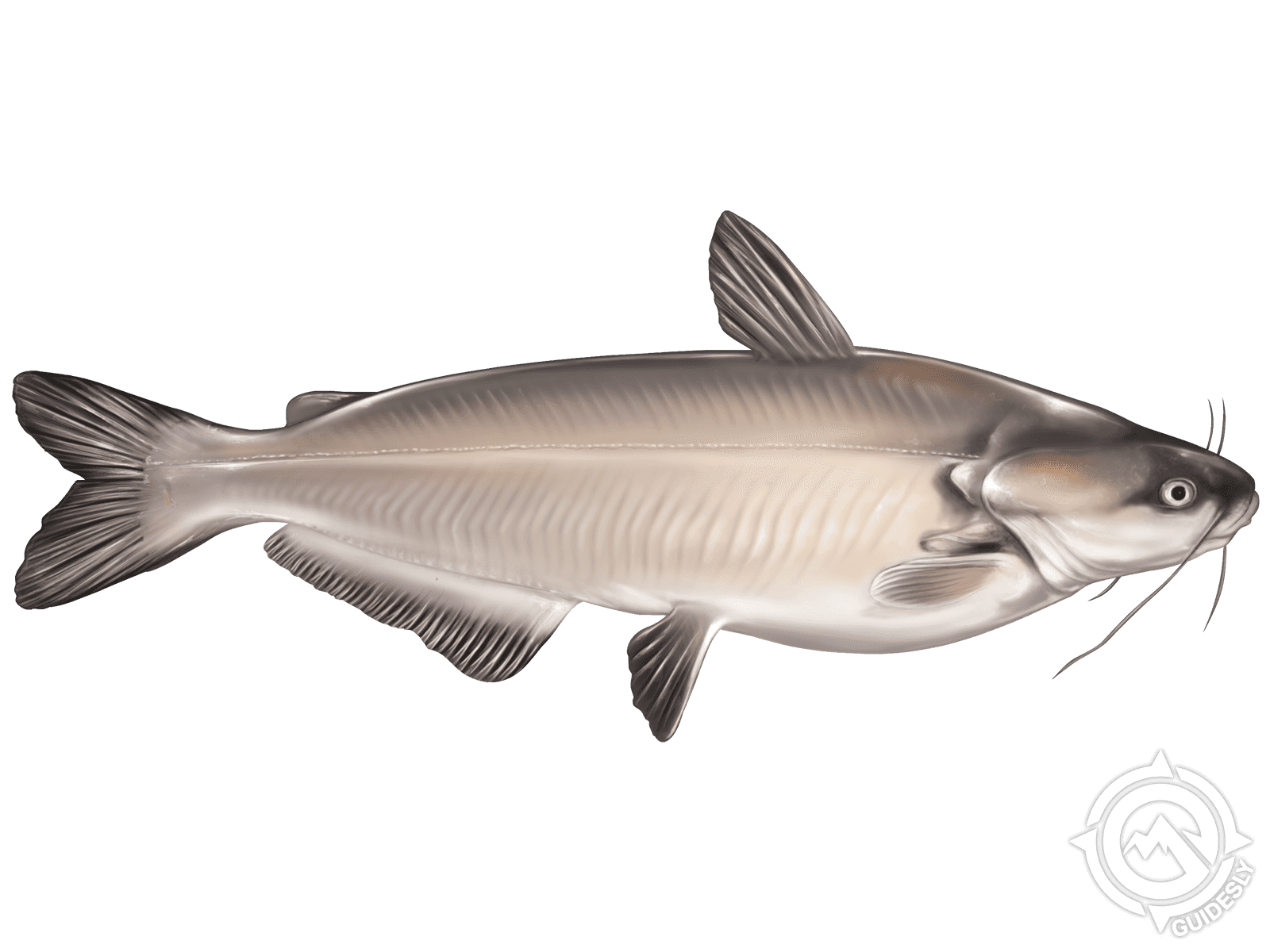
 Blue Catfish
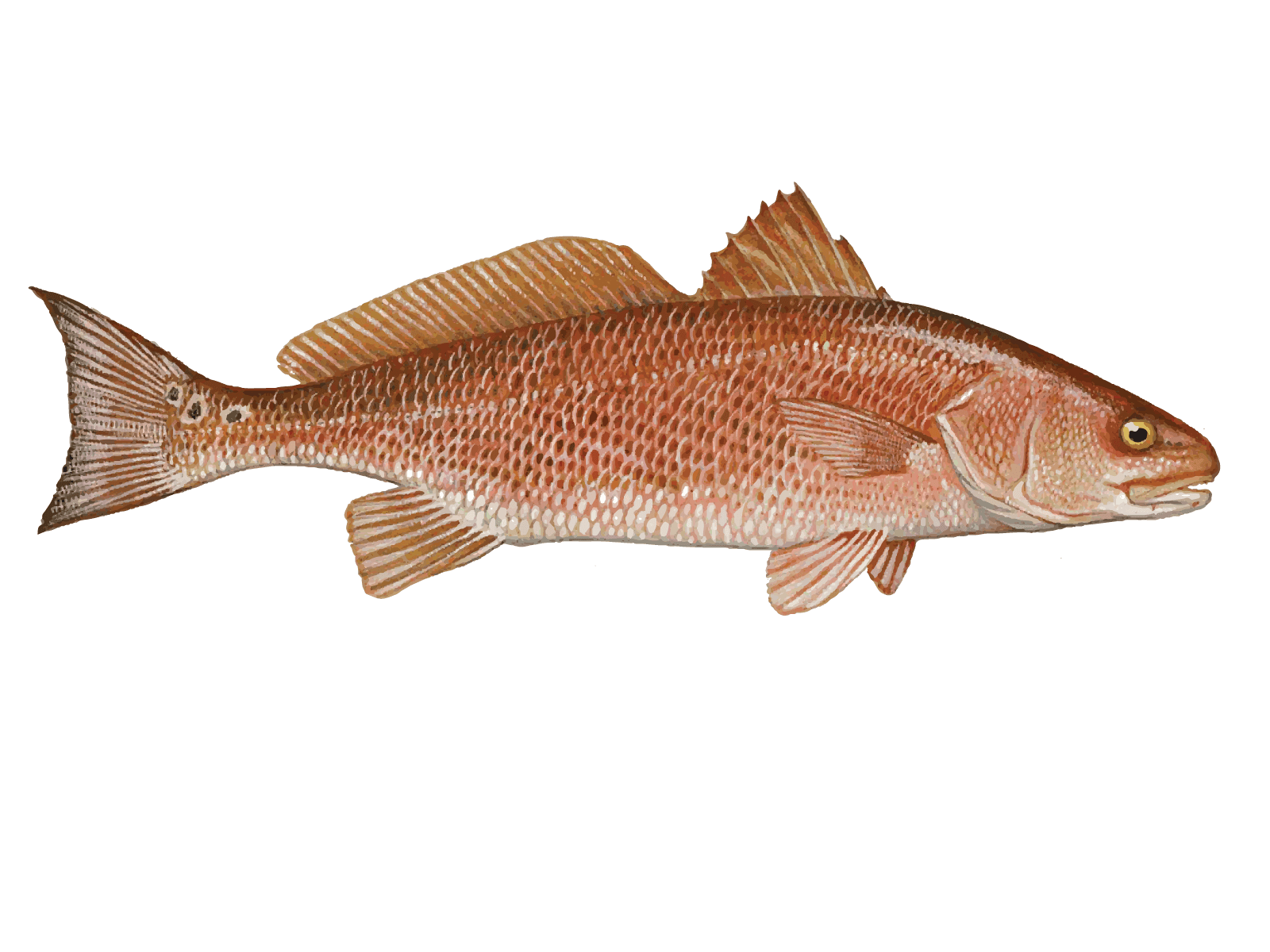
 Redfish
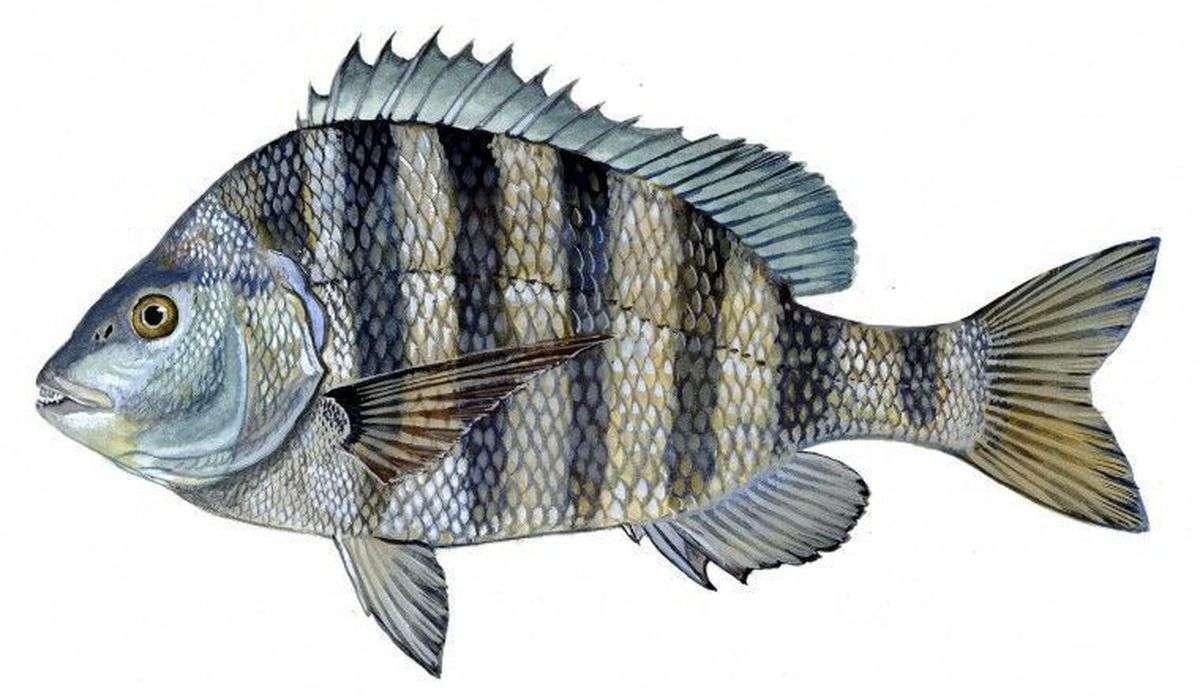
 Sheepshead
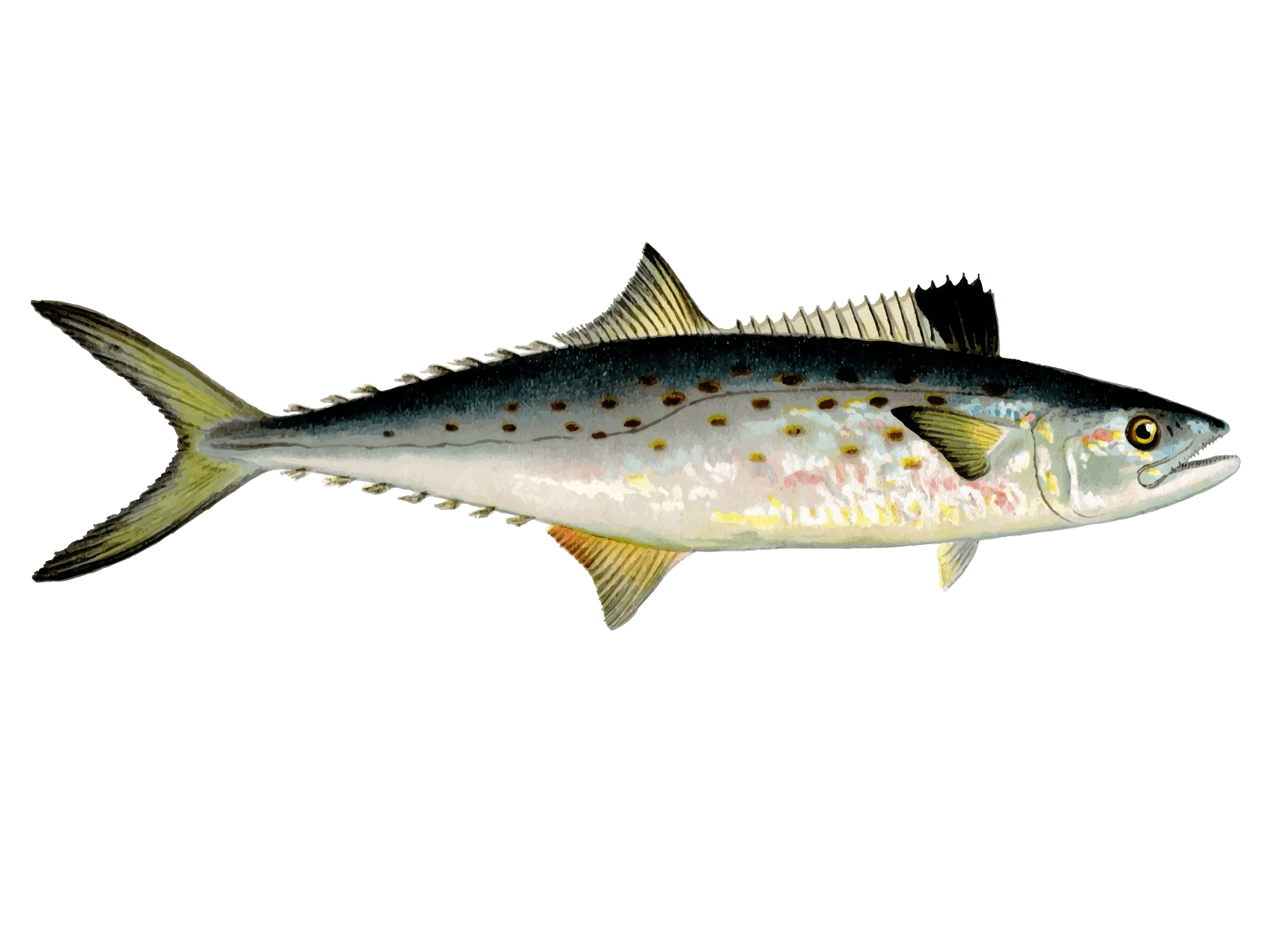
 Spanish Mackerel
- This 4-hour morning charter out of Montgomery is perfect for anyone new to saltwater fishing or families wanting a relaxed day on the water. We'll target redfish, speckled trout, and flounder using light tackle that's easy to handle and fun to fish with. Your captain provides all the gear and teaches proper casting and fish handling techniques, so first-timers and kids feel comfortable right away. The pace stays easy-going with plenty of time to take in the scenery between catches. You might also hook into Spanish mackerel, sheepshead, or jack crevalle depending on what's biting. It's a great way to learn inshore fishing basics without feeling rushed.
Trip Pricing and Availabilities:
Montgomery Inshore Beginners Fishing Charter
Looking for the perfect way to get your feet wet in the world of inshore fishing? This private 4-hour charter with Reel'in Good Time Charters is exactly what you need. Starting bright and early at 9 AM, we'll spend the morning targeting some of Montgomery's best inshore species while keeping things relaxed and beginner-friendly. With space for up to two guests, this top-rated charter focuses on light tackle fishing that's easy to master and a blast to experience. Whether you're bringing the kids for their first fishing adventure or just want to learn the ropes without any pressure, this trip delivers the perfect balance of instruction and fun on the water.
What to Expect on the Water
This isn't your typical rush-around-and-fish-as-fast-as-you-can charter. We take our time, focusing on teaching proper techniques while enjoying everything Montgomery's inshore waters have to offer. The pace stays comfortable throughout the 4-hour trip, giving you plenty of opportunities to practice your casting, learn fish handling skills, and soak up some great scenery along the way. I provide all the gear you'll need – quality rods, reels, and fresh bait – so you can focus on learning and having a good time. The light tackle we use makes every fish feel like a trophy, and it's forgiving enough that first-timers can get the hang of it quickly. Families especially love this setup because everyone can participate, from young kids to grandparents who haven't held a fishing rod in years.
Light Tackle Techniques
Light tackle inshore fishing is all about finesse and feel. We'll be using spinning reels spooled with lighter line, which means every fish puts up a great fight without being too overwhelming for beginners. The techniques we focus on are simple but effective – basic casting, proper rod handling, and reading the water for signs of fish activity. I'll show you how to work different baits depending on what we're targeting, whether that's bouncing a jig along the bottom for flounder or working a topwater plug for speckled trout. The beauty of light tackle is that it keeps you connected to every bite and run, making even smaller fish exciting to catch. We fish the shallow flats, grass beds, and structure where inshore species love to hang out, using the boat to position us perfectly for each spot. No complicated gear setups or advanced techniques required – just good fundamentals that'll serve you well on future fishing adventures.
Species You'll Want to Hook
Sheepshead are some of the craftiest fish you'll encounter in Montgomery waters, and they're absolute masters at stealing bait. These black-and-white striped beauties hang around structure like docks, pilings, and oyster bars, using their powerful jaws to crush crabs and barnacles. They typically run 2-4 pounds in our area, though bigger ones show up during cooler months. What makes sheepshead so exciting is their notorious bite – they'll nibble and tap your bait before committing, teaching beginners to really pay attention to their rod tip. The fight is solid and steady, with sheepshead using their broad sides to pull hard toward whatever structure they call home. Many anglers consider them one of the best eating fish in our waters, with firm white meat that's perfect for the dinner table.
Redfish are the poster child of inshore fishing, and for good reason. These copper-colored fighters are incredibly fun to catch on light tackle, typically ranging from 18-27 inches in our local waters. They're most active during moving tides when they cruise the shallow flats looking for crabs, shrimp, and small baitfish. What makes reds special is their tenacious fight – they'll make powerful runs and use their broad tails to stay deep, giving beginners a real taste of what inshore fishing is all about. During warmer months, you might spot them tailing in shallow water, which creates some of the most exciting sight fishing opportunities around. Redfish are also incredibly forgiving for new anglers because they're not particularly line-shy, and they'll often give you a second chance if your first cast isn't perfect.
Blue Catfish might surprise you on this trip, but they're becoming increasingly common in Montgomery's brackish waters. These freshwater natives venture into slightly salty areas, especially during certain times of year, and they provide fantastic action on light tackle. Blues can range from small eating-size fish to real bruisers that'll test your drag system. They're bottom feeders with an incredible sense of smell, so we typically use cut bait or prepared baits to target them. What's great about blue cats for beginners is their aggressive feeding behavior – when they bite, you'll know it. They're also excellent table fare and fight with steady, determined runs that give new anglers plenty of time to practice their fish-fighting techniques without the lightning-fast runs of other species.
Spanish Mackerel are the speed demons of our inshore waters, and they're an absolute blast on light tackle. These sleek, silver fish typically run 1-3 pounds and are known for their blistering runs and acrobatic jumps. They're most active during warmer months and love to chase baitfish in open water areas. What makes Spanish mackerel so exciting for beginners is their aggressive nature – they'll often hit lures or baits with authority, leaving no doubt about the bite. Their sharp teeth add an element of excitement, and I'll show you proper handling techniques to avoid those needle-like chompers. The fight is fast and furious but relatively short, making them perfect for kids and new anglers who want instant gratification. Plus, they're excellent eating when prepared fresh, with light, flaky meat that's perfect for fish tacos or simple pan-frying.
Time to Book Your Spot
This beginner-friendly charter offers everything you need for a successful day on the water without any of the intimidation factor. With personalized instruction, quality gear, and a relaxed pace, it's the perfect introduction to Montgomery
Learn more about the species
Blue Catfish
These slate-blue giants are the heavyweight champions of Alabama's river systems, commonly reaching 20-40 pounds with some monsters pushing 60-plus. They're built for power with that distinctive forked tail and slight underbite that makes them prone to surface feeding. You'll find them in deep holes and channels of our major rivers, especially near current breaks and structures. They're most active during warmer months when they move into shallower areas to feed. What guests love is the raw pulling power - once hooked, these fish make long, determined runs that test your drag system. They're also fantastic table fare with firm, white meat that's perfect for frying or grilling. These opportunistic feeders will eat almost anything, but fresh cut bait works best - herring, shad, or even chicken liver. My secret is to let your bait sit still on the bottom near deep structure and wait for that telltale thump before setting the hook hard.
Redfish
These bronze-backed beauties with their signature black spots near the tail are a perfect target for light tackle fun. Most reds we see run 18-27 inches and put up a solid fight that gets everyone excited. They love super shallow water - sometimes so shallow their backs stick out - around grass flats, oyster bars, and marsh edges. Fall and spring are prime time when they school up and feed aggressively. What makes them special is how willing they are to hit topwater lures, creating explosive surface strikes that'll get your heart pumping. They're also excellent eating with firm, mild flesh that grills up perfectly. You'll find them in 1-4 feet of water over mud and grass bottoms where they hunt for crabs and shrimp. My go-to trick is using a gold spoon worked slowly over shallow grass beds - the flash drives them crazy and triggers some serious strikes.
Sheepshead
These distinctive fish with their black and white striped bodies earn the nickname "convict fish" for good reason. What really sets them apart are their human-like teeth, perfect for crushing barnacles and crabs around dock pilings and bridge structures. Most sheepshead run 1-3 pounds and 14-18 inches, but the occasional 8-pounder keeps things interesting. They hang tight to structure in 5-15 feet of water, especially around barnacle-covered pilings where they feed. Spring months offer the best action when they move shallow to spawn. Guests love the challenge - these fish are notorious bait thieves with light bites that test your reflexes. The payoff is sweet, flaky white meat that's hard to beat on the dinner table. Pro tip: use fiddler crabs or shrimp, keep your bait tight to the structure, and set the hook fast when you feel that subtle tap.
Spanish Mackerel
These silver speedsters with their distinctive yellow spots are pure action fish, averaging 1-3 pounds and known for their blistering runs. They school up near the surface in open water and around structures, making them perfect targets for light tackle casting. Spring through fall brings the best fishing when they move through our area following baitfish. What makes them exciting is their aggressive nature - they'll smash spoons, small jigs, and live bait with fierce strikes. Plus they're outstanding eating with rich, flaky meat that's great grilled or smoked. You'll typically find them in 10-30 feet of water around reefs, wrecks, and drop-offs where they hunt sardines and anchovies. They move fast and cover water quickly, so be ready to adjust. My best advice is to use small, shiny spoons retrieved at medium speed - when you see birds working the surface, get under them fast because that's where the mackerel will be feeding.
About the Reel'in Good Time Charters
%2F%2Fusers%2F5d2d2a07-2f70-4dba-b1a7-bf1603a5df4b%2Fvehicle_picture%2Fimage-mar-14-2025-02-10-39-8693-am.jpg&w=1920&q=75)
Vehicle Guest Capacity: 6
Manufacturer Name: Yamaha
Maximum Cruising Speed: 55
Number of Engines: 1
Horsepower per Engine: 300
Jump aboard our comfortable inshore fishing boat for a laid-back 4-hour adventure perfect for beginners and families. This beginner-friendly charter accommodates up to 2 guests and focuses on light tackle fishing that's easy to master. We'll target redfish, speckled trout, flounder, and Spanish mackerel in Montgomery's productive inshore waters, with chances at sheepshead, black drum, and mangrove snapper depending on conditions. Your experienced guide provides all rods, reels, and bait while offering hands-on instruction throughout the trip. The relaxed pace gives you plenty of time to learn proper casting techniques and fish handling while soaking up the beautiful coastal scenery. Starting at 9 AM, this charter is ideal for first-time anglers and kids who want to experience the joy of fishing without pressure. All skill levels welcome - we'll have you casting like a pro in no time.